One backbone for newsletter, webinars, bookings and academy
A platform of this size stays stable through a handful of rules written down early.

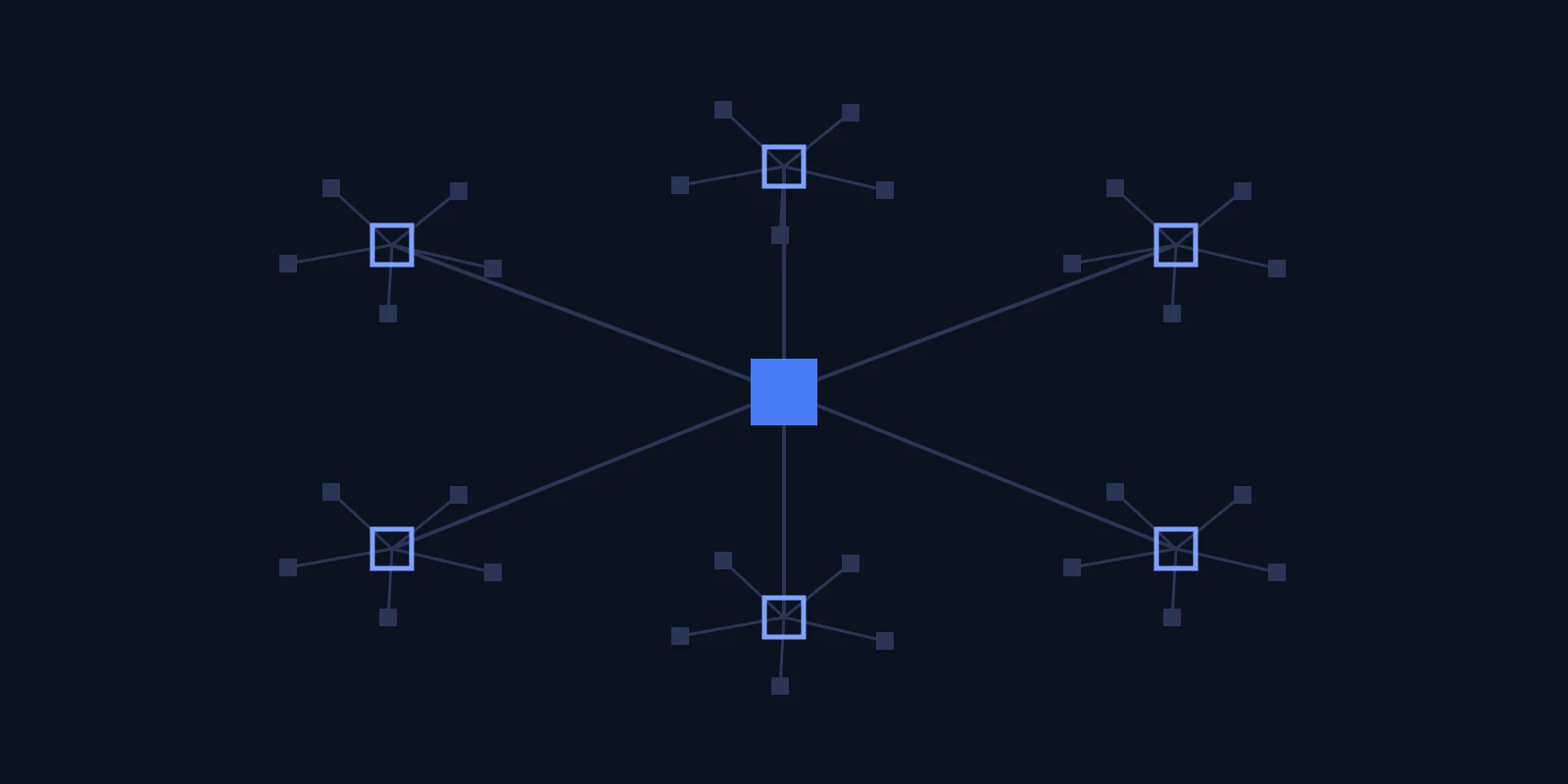
The consultancy needed its newsletter, webinar registration, booking, academy access and lead routing to work together. Each started as a single scenario. Today the Make account holds more than 50 live scenarios, 58 of them triggered by webhooks, and they share a short list of design rules.
What the platform covers
- Newsletter: signup, double opt-in confirmation, tags and profile updates.
- Webinars: registration, a waiting list with 20 slots per session, reminders with a calendar file one hour before, and a follow-up for people who missed it.
- Bookings: every discovery call and its follow-up.
- Academy: access creation per language, progress tracking and the APIs behind a participant dashboard.
- Lead routing, click tracking and notifications to the team chat.
Rule 1: write with PUT, never with a status
The first version of the signup flow could bring back people who had unsubscribed. A write that sets the status to subscribed revives an old contact. Subscribers are now written with PUT and a status that only applies to new contacts. For an address that has unsubscribed or bounced, the scenario archives the member and writes a fresh one. One scenario sets the status deliberately, the double opt-in confirmation, because the click is the consent.
Rule 2: one router for one subscription
The booking tool allows one subscription for the person who takes calls. All booking events therefore arrive in one master scenario, which sends them on by event type. New event types become a new branch of the router, and the subscription never changes.
Rule 3: three layers of segmentation
Interest groups control content and nothing else. Tags carry qualification and funnel status. The CRM holds the pipeline. A contact is transferred passively at signup and handed over as a deal only at a lead score of 5 or after a click on the booking link. Keeping the layers apart is what lets the same contact appear in a newsletter, a webinar and a sales conversation without three sources of truth.
A platform of 50 scenarios is a set of rules with scenarios attached.
Rule 4: a failed bundle must not freeze its queue
A single malformed record used to deactivate its scenario and block every call behind it. Since August all 58 webhook scenarios run with a dead-letter queue. The bad bundle is parked and the rest continues. The agent described in the self-healing case study watches those queues.
Small bugs that became rules
- Error handling on the HTTP module does not stop a 4xx or 5xx from crashing the run. A filter before the module does.
- A scenario update does not reactivate the scenario. Every change ends with a check that it is active.
- The default webhook answer carries no CORS headers. A catch-all route with an explicit response fixes it.
- Text functions with a backslash pattern match a literal letter. A plain contains check is safer.
Write the rules down before the fiftieth scenario, not after. Each of these came from a bug that had already cost a day.
Hung Mai is an independent consultant in Weilmünster, Germany, mostly working remotely. He plans, builds and monitors AI automation for marketing and sales for companies without a digital team. About Hung Mai